
What a Forklift Service History Actually Tells You (And What It Hides)
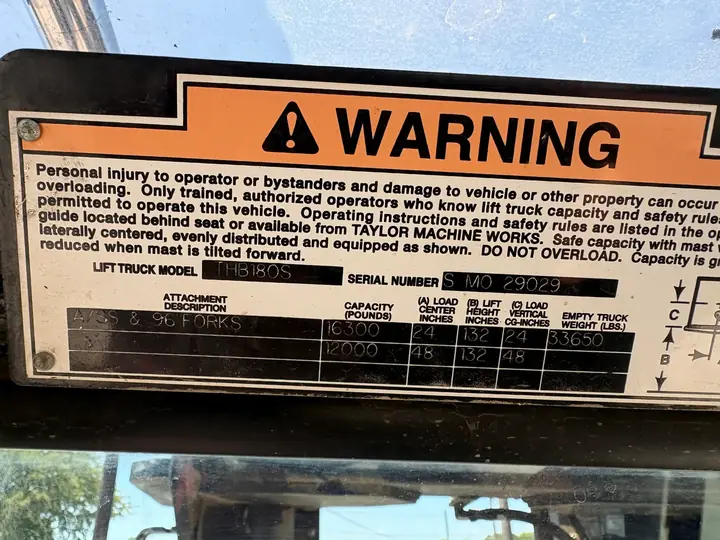
Reading used forklift records before completing a purchase order is the best way to differentiate between a dependable machine and a costly headache. Frame...
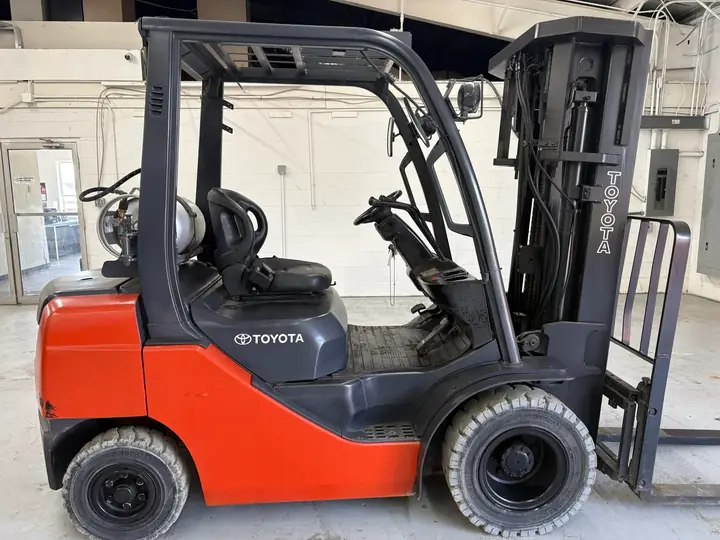
Forklifts are the backbone of many industries, enabling the efficient movement of goods and materials within warehouses, distribution centers, and construction sites. Their versatility stems from the wide range of attachments available, each designed for specific tasks. However, like any piece of machinery, these attachments have a finite lifespan and must be replaced to maintain safety, productivity, and operational efficiency. Let’s explore the factors that influence the lifespan of forklift attachments. We’ll examine common signs of wear and tear and discuss when it’s time to invest in replacements. We will also provide a comprehensive list of forklift attachments and offer some valuable tips on maximizing their longevity.
The lifespan of a forklift attachment is not set in stone. It can vary significantly based on several key factors.
The frequency with which an attachment is used plays a pivotal role. Attachments subjected to daily wear and tear will naturally deteriorate faster than those used less frequently. Similarly, the type of load handled by the attachment can impact its lifespan. Heavy or abrasive loads place additional stress on attachments, potentially leading to premature wear.
Maintenance is another critical factor. Regular inspection, cleaning, and lubrication can significantly extend the lifespan of attachments. The quality of the attachment itself also plays a role. High-quality attachments from reputable manufacturers tend to be more durable and resilient, outlasting their cheaper counterparts. Lastly, the operating environment can affect attachment lifespan. Harsh environments characterized by extreme temperatures, corrosive substances, or excessive dust can accelerate wear and tear. On average, most well-maintained forklift attachments can be expected to last between three and five years. However, critical attachments like forks, which bear the brunt of load handling, may need replacement sooner.
Forklifts offer unparalleled versatility thanks to the multitude of attachments available. Let’s delve into some of the most common attachments and the telltale signs that they need replacement.
Forks: Cracks, bends, excessive wear on the tips or heels, and uneven fork heights are all indicators that forks may need replacement. The lifespan of forks can vary widely, ranging from one to three years, depending on usage intensity and load type.
Side Shifters: Difficulty shifting, leaking hydraulic fluid, and loose or damaged components suggest that a side shifter may be nearing the end of its lifespan. Typically, side shifters last between three and five years.
Rotators: Slow or jerky rotation, fluid leaks, and unusual noises are indicative of wear and tear in rotators. Like side shifters, they usually last three to five years.
Clamps: If a clamp struggles to grip or release loads, exhibits damaged pads, or shows wear on hydraulic components, replacement may be necessary. The lifespan of clamps can range from three to five years, depending on the clamp type and the materials handled.
Fork Positioners: Difficulty adjusting fork width, fluid leaks, and damaged components are signs that a fork positioner may need replacement. Their lifespan typically falls within the three-to-five-year range.
Bale Clamps: If a bale clamp struggles to grip or release bales, has bent or broken arms, or shows wear on hydraulic components, it’s time to consider replacement. Their lifespan, like that of clamps, can vary based on the materials handled.
Drum Handlers: Difficulty gripping or releasing drums, along with damaged or worn gripping surfaces, are indicators that a drum handler may need replacement. Drum handlers generally last three to five years.
Carton Clamps: Similar to other clamps, carton clamps may need replacement if they exhibit difficulty clamping or releasing cartons, have damaged pads, or show wear on hydraulic components. Their lifespan depends on carton size and weight.
Push-Pulls: Difficulty pushing or pulling loads, damaged platens, and worn hydraulic components are signs that a push-pull attachment may be nearing the end of its lifespan. They typically last three to five years.
This is just a snapshot of the vast array of forklift attachments available. It’s imperative to regularly inspect all attachments, regardless of their type, for signs of wear and tear.
While there’s no one-size-fits-all answer, here are some general guidelines on when to consider replacing forklift attachments:
Remember, these are merely guidelines. It’s always best to consult with a qualified forklift technician to assess the condition of your attachments and determine the appropriate course of action.
While replacement is inevitable, there are proactive measures you can take to extend the lifespan of your forklift attachments.
Replacing forklift attachments is an inevitable aspect of owning and operating these essential machines. By understanding the factors that influence their lifespan, recognizing signs of wear, and implementing proactive maintenance strategies, you can ensure your forklift fleet remains safe, efficient, and productive.
If you’re seeking high-quality forklift attachments or require assistance with maintenance and repair, consider partnering with 4K Lift. Our team of seasoned professionals can guide you in selecting the optimal attachments for your specific needs and ensure your equipment remains in peak condition. Contact us today to discover how we can elevate your material handling operations.
Reading used forklift records before completing a purchase order is the best way to differentiate between a dependable machine and a costly headache. Frame...
Evaluating a forklift rental vs purchase cost comparison is a pivotal financial decision businesses face when sourcing material handling equipment. Do you rent your...
Operating a material handling fleet in North Texas presents unique operational obstacles, especially when summer temperatures regularly climb past triple digits. For warehouse managers...
Tell us what you're lifting. If the right lift isn't on our yard yet, we'll let you know when it comes in.