
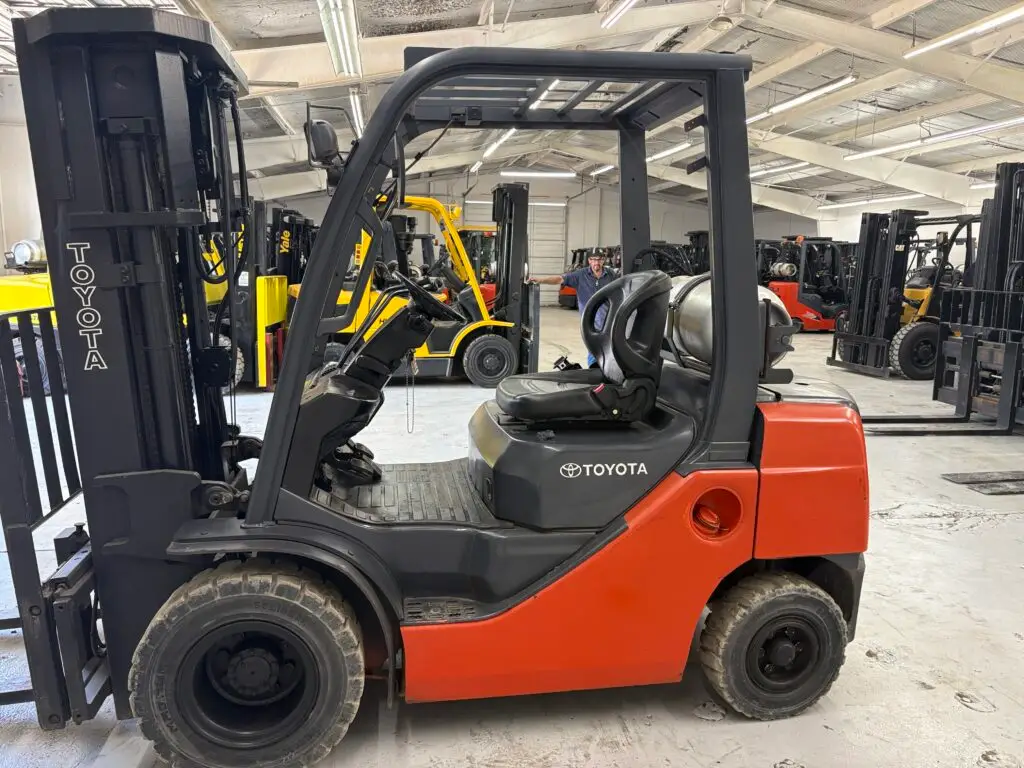
Operating a material handling fleet in North Texas presents unique operational obstacles, especially when summer temperatures regularly climb past triple digits. For warehouse managers and fleet supervisors in the Dallas-Fort Worth metroplex, extreme thermal stress introduces serious mechanical risks to industrial equipment. High ambient temperatures degrade hydraulic fluids, accelerate battery breakdown, and strain engine cooling systems, leading to unexpected downtime during peak shipping cycles.
Proactive fleet management requires shifting from reactive repairs to targeted seasonal intervention. When outdoor temperatures hit 105 degrees Fahrenheit, the temperature inside a non-climate-controlled warehouse or cross-dock facility can easily soar past 115 degrees. This technical guide outlines how to protect your equipment investment, establish a climate-resilient inspection protocol, and optimize operations to prevent heat-related mechanical failures.
Why Is the Texas Heat So Hard on Industrial Fleets? The True Costs of Thermal Stress
Extreme ambient heat dramatically accelerates the wear and tear on every major internal system of an industrial lift truck. Forklifts are designed to dissipate heat through radiators, cooling fans, and hydraulic reservoirs, but high environmental temperatures severely reduce the efficiency of these heat-exchange mechanisms.
When internal operating temperatures rise unchecked, hydraulic fluid loses its viscosity and chemical stability. Thin, overheated fluid fails to provide adequate lubrication to cylinders and pumps, leading to internal bypass leaks, sluggish lifting performance, and permanent component scoring. For internal combustion engines, sustained thermal stress compromises head gaskets, warps cylinder heads, and degrades engine oil, significantly shortening the lifespan of the powertrain.
Hint: Thermal degradation of fluids happens long before an engine dashboard light turns on. Check fluid color and smell during morning inspections; a burnt odor or darkened hue indicates immediate replacement is necessary.
What Systems Fail First in July and August? Implementing Forklift Maintenance Summer Heat Dallas Protocols
Preventing catastrophic equipment failure during the peak of summer requires zeroing in on the specific components most vulnerable to extreme temperatures. Integrating a structured forklift maintenance summer heat Dallas program into your daily routine safeguards your machinery against the punishing North Texas climate.
The Engine Cooling System
The radiator is the primary line of defense against high temperatures, yet it frequently becomes clogged with cardboard dust, pallet debris, and shrink-wrap fragments common in warehouse environments. Compressed air should be used to blow out the radiator fins weekly. Supervisors must also verify that coolant mixtures maintain a proper 50/50 balance of water and ethylene glycol, which raises the boiling point of the cooling system.
Industrial Battery Systems
Electric forklifts are not immune to summer hazards. In fact, high temperatures are the leading cause of premature industrial battery failure. Extreme ambient heat accelerates the internal chemical reactions inside lead-acid batteries, causing rapid water loss and grid corrosion.
Lithium-ion batteries also experience heightened cell degradation when operated or charged in ambient environments exceeding 110 degrees Fahrenheit. Fleet supervisors must monitor water levels weekly after charging cycles and establish cool-down periods before placing electric trucks back into high-demand service.
How Do You Build a Climate-Resilient Daily Checklist? Step-by-Step Summer Inspection Routine
Standard pre-shift inspections must be adapted during the summer months to account for increased thermal demands. Train your operators to execute these specific diagnostic steps prior to every shift.
- Inspect Hoses and Belts: Check all coolant and hydraulic hoses for swelling, hardening, or small cracks. High heat makes rubber brittle, increasing the likelihood of high-pressure blowouts.
- Verify Fan Belt Tension: A slipping fan belt reduces airflow across the radiator core, crippling the cooling system’s ability to lower engine temperatures.
- Monitor Fluid Levels and Quality: Check engine oil, hydraulic fluid, and coolant levels daily. Look for signs of aeration, cloudiness, or discoloration.
- Clean Air Filtration Systems: Dusty summer air in Texas means air filters clog faster. Tap out loose dust or replace filters to keep a clean stream of air flowing to the engine intake.
- Analyze Tire Conditions: Solid pneumatic and polyurethane tires soften when subjected to high friction and hot warehouse floors. Inspect treads for chunking, flat spots, or separation from the steel band.
Quick Warehouse Quiz: Is Your Fleet Summer-Ready?
How often should electric forklift battery water levels be checked during a hot Dallas August?
- Answer: At least once per week. High warehouse temperatures cause electrolyte water to evaporate significantly faster than in cooler months, risking exposed plates and permanent capacity loss.
How Can Operational Adjustments Protect Your Equipment? Modifying Workflows for Thermal Management
Mechanical maintenance is only half of the battle; modifying daily operations further mitigates heat risks. Staggering high-intensity tasks to earlier or later in the day when ambient temperatures are lower reduces the peak thermal load placed on your equipment.
Provide dedicated cooling zones for electric trucks during charging cycles. Charging a battery generates significant internal heat; doing so in a hot corner of the warehouse compound creates a thermal compounding effect that permanently degrades the battery’s lifespan. Furthermore, ensure operators adhere to strict speed limits and minimize continuous high-speed travel over long distances, which generates excessive frictional heat within transmissions and tires.
| Vulnerable Component | Heat Indicator | Preventative Action |
| Hydraulic System | Spongy controls, slow lifting | Flush fluid, inspect seals weekly |
| Lead-Acid Battery | Rapid water loss, sulfation | Water after charging, check weekly |
| Radiator Core | Engine overheating, debris buildup | Blow out fins with compressed air |
Call On 4K Lifts
Keeping your material handling fleet running reliably through extreme Texas summers requires technical planning, timely interventions, and professional support. 4K Lifts delivers the comprehensive maintenance solutions and field expertise needed to keep your warehouse operational when temperatures rise. Our factory-trained technicians understand the unique environmental demands placed on North Texas fleets and are fully equipped to perform detailed multi-point seasonal inspections. Schedule your summer service inspection before the heat peaks. 4K Lifts has you covered.
FAQ
Q. Why does hydraulic fluid fail more frequently during Dallas summers?
High ambient temperatures cause hydraulic fluid to thin out and lose its viscosity. This reduction in thickness limits its lubricating properties, causing increased friction, accelerated wear on internal pump components, and reduced lifting responsiveness.
Q. How often should forklift radiators be cleaned during the summer months?
In high-debris warehouse environments, forklift radiators should be blown out with compressed air at least once a week during the summer to remove cardboard dust and packing materials that block critical airflow.
Q. What is the ideal environment for charging electric forklift batteries in hot weather?
Electric forklift batteries should be charged in a well-ventilated, designated cooling area away from direct sunlight or heavy heat-generating machinery to prevent the internal battery temperature from exceeding safe limits.