
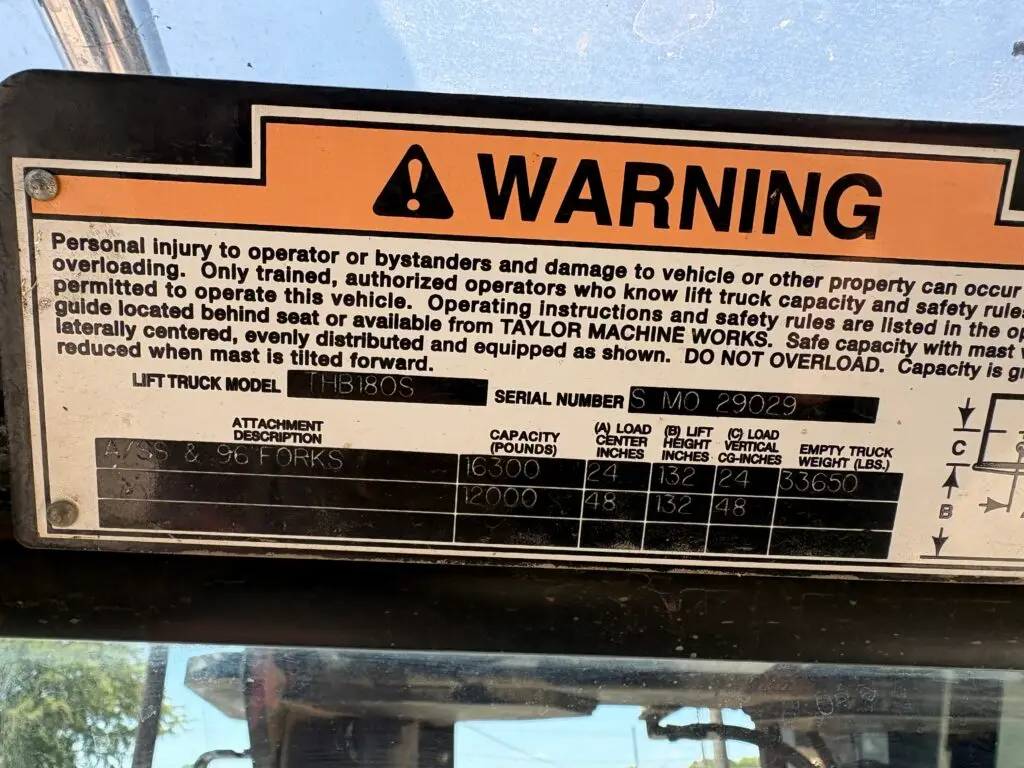
Reading used forklift records before completing a purchase order is the best way to differentiate between a dependable machine and a costly headache. Frame inspections will show you existing wear patterns, but maintenance logs expose thousands of hours of operator abuse and neglected machinery. Learn how to spot these red flags by following our guide on how to read used forklift service history.
What Does A Used Forklift Service History Actually Reveal?
If maintained properly, a used forklift service history will tell you how the machine was cared for by past owners. Service histories lay out oil changes, big repair bills, scheduled maintenance, and operator negligence. Reviewing these records before taking possession allows buyers to forecast future repair budgets and understand realistic total cost of ownership.
Hourly logs, oil filter dates, and repair receipts give buyers insight into the inner workings of a used forklift. Well-kept maintenance records indicate routine service was scheduled to prevent disasters, rather than bolting on spare parts after a breakdown. Unfortunately, dirty logs with years skipped between documented services are commonplace.
Cross-reference forklift usage logs with mechanical problems outlined on the receipt book. Were timing belts routinely replaced every 3,000 hours? Do oil changes list consistent lubrication schedules? Periodic mast brake services mean operators took the time to walk forklifts through detailed inspection cycles. Patched overloads and last-minute refuels suggest neglected machinery.
Compare Hour Meter Readings to the Age of the Equipment
Compare hour meter readings to the age of the equipment to verify that the stated hours are accurate. Commercial forklifts average 1,500-2,000 hours of operation per year. Older equipment should not have low hours on the hour meter. If the hourly reading is dramatically lower than surrounding machines of the same age, the meter has been replaced.
Take your time; the more data you can gather upfront, the better deal you will secure on your next pre-owned purchase.
What Should You Look for in Forklift Maintenance Records?
Are repair costs detailed consistently, or are pages left blank? Old stains and multiple handwriting styles show repairs were made while equipment was still in use. Cross-referencing maintenance logs with actual wear can validate time reported on hour meters.
Take a close look at these maintenance logs. Lots of blank space means repairs were needed, but went unfixed. Mechanical gremlins were ignored until the machine was scheduled for sale. Solid, detailed maintenance records that show repeat maintenance done on a scheduled basis are golden.
Inspect lift brake pads and scan for documentation on recent brake shoe replacements. If wear bars are visible, look for service invoices dated around the same time the forklift was in possession by the previous owner. Review electrical accessories like Warn lights and yellow admittance flashers. Do oil change dates align with recommended service intervals?
Take pictures of the areas you inspect and flag anything that looks abnormal. Print out the service history and match your findings to the log entries when possible. Digital hour logs that can’t be verified with wear shouldn’t be trusted.
Take Notes On Past Maintenance Errors
Visible wear that is noted in the service manual can highlight odometer manipulation. Review fork seal condition, tread wear on tires, and hydraulic hose wear. A quality used forklift comes with a history of regular maintenance and realistic usage hours.
No machine is perfect. Use those maintenance mistakes to calculate aftermarket costs. Will you need to rebuild the transmission after ownership? How many feet of hydraulic hose was scrapped due to a bent fork? Are shock absorbers listed as swapped during the last service date?
Prioritize your repair budget by identifying recurring problems. Washerless hydraulic systems with constantly blown seals mean your machine was pushed too hard in dusty outdoor environments. Constant hydraulic motor replacements prove they were installed sans side-mount filtration.
Read every note and highlight any abnormalities. Faulty chargers and mismatched oil colors mean previous operators never followed the suggested service schedule.
What Red Flags Are Buried In Forklift Maintenance Logs?
Irregular repair intervals are a dead giveaway for neglected repairs. Repeat hydraulic motor replacements and transmission flushing indicate external problems not covered under these components’ warranties. Early wear of major components can cost thousands in secondary repairs.
Look for who performed the labor and if updated OEM parts were installed. Manufacturer-certified mechanics list detailed part numbers when servicing equipment. Handwritten notes and missing log dates imply used equipment parts were installed.
Hours logged between maintenance events should be uniform and consistent. Hours missing between oil changes could mean the machine sat dormant or repairs were made but never logged.
Searching for a new forklift? Looking for service records that seem too good to be true? Purchase agreements should include a complete service history on any unit you are considering. Spend the extra time verifying information; your employees will thank you when machine reliability increases.
If the original manufacturer is no longer in business, substitute with maintenance intervals from an OEM with parts that fit your equipment.
When is the last time this equipment was put through a multi-point inspection? Will major service dates match the hour meter reading?
Questions to Ask
- Are the service book entries consistent with the machine hour meter?
- Are any service parts documented with OEM purchase receipts?
- Are any previous repairs noted with timestamped photos?
- Does this unit require more repairs than you are comfortable investing?
Throw out any history that doesn’t completely detail service events. If you have questions about the accuracy of the logs, don’t buy the unit.
How Do You Read Used Forklift Service History For Engine Problems?
Used electrical service records review should focus on battery maintenance and engine mount wear. Yellow-tinged battery acid shows frequent jump starts. Harsh under-carriage cleaning with automated bay washers will destroy rubber engine mounts.
Low hours on the hour meter isn’t always a good thing. Original parts on older equipment mean the unit may soon need costly component replacements. Review oil filters for metallic contamination. Metal shavings in the filter media mean internal engine wear was ignored.
Worn engine mounts and steering components tell you how rough a forklift was driven.
-
- Rusted Housing + chronically low fluid levels = severe neglected repairs
- Rocked forks = misalignment issues.
Look for service manuals that match the mileage of the unit. Let’s say the forklift being sold has 7,500 hours logged on the hour meter, but the current service book only details repairs up until 3,000 hours of use. Nearby equipment that averages 2,000 hours of use per year should display closer to 9,000 hours. Something is fishy!
How To Read Used Forklift Service History Cheat Sheet
Examining forklift usage history, oil filter dates, and past repair invoices gives you the upper hand. Verify fluid maintenance was performed on schedule and compare wear to past hour milestones. Random brake shoe replacements and no previously documented mast repairs are cause for concern.
Evaluate Used Forklift Records For Fluid And Engine Health
Accurate service histories should include hourly logs to validate fluid maintenance. Review for fluid drift logs to ensure operators checked hydraulic levels monthly. Frequent fuel filter replacements mean dirty fuel was pumped into the engine. Tank contamination causes major fuel system repairs down the road.
Poor electric battery maintenance and misuse can lead to diminished charge capacity. Does the service manual highlight dead battery jump starts? Look for corrosion on terminal ends and under-battery plug connectors.
Mechanical gearboxes should also be checked for repair milestones. Complete mechanical transmission rebuilds mean big bucks.
Check for oil leaks when hanging forks were common. Use water as a fluid inhibitor? Probable turbo failure in the near future.
These tips can help you easily inspect forklift service history reports for operator negligence. Take what you learned here and apply these rules next time your organization purchases pre-owned equipment.
Use A Service History Guide To Identify Troublesome Areas
Horsepower ratings should match sticker specifications. Consistent engine plug fouling means poor airflow, possibly from crushed air vents. Steel scrub brushes to clean forks? Expect to replace hydraulic valves and seals.
Inspect gearboxes for signs of drop-forged repairs. Take detailed notes and photos of areas that you inspect. Discover electrical issues? There could be more lurking in your wiring harness.
A dirty service book isn’t always bad, but it could mean hours were logged while equipment was in operation. Consistent oil and filter changes mean the equipment was cared for by operators. Detailed service logs that show excessive maintenance in short time frames could mean external damage was discovered and never repaired.
4K Lifts | Buy Used Forklifts With Confidence
At 4K Lifts, we strive to make the used forklift buying process as transparent as possible. Every electric, propane, and diesel forklift we sell comes with complete maintenance records and a 30-day exchange policy. Our experts are trained to highlight potential problems before they reach our showroom floor. Peace of mind comes standard with every pre-owned forklift we sell.
Manage a busy warehouse in Atlanta? Our service experts operate out of Georgia and can deliver turnaround times faster than most retail showrooms. Need a custom configuration for job-specific lifting? Our built-to-order service department can make nearly any configuration changes your facility needs. Contact a 4K Lift sales specialist today and see what we can do for you and your operation.
FAQ
Q. How recent should used forklift service history be?
A used forklift service history should be as current as possible. Full service records give equipment buyers confidence when trying to assess fair market value. No buyer wants to pay list price on a pre-owned forklift with undocumented repairs.
Q. Can I trust used forklift maintenance records?
Unknown maintenance histories are hard to trust. Lacking service records means investing in a used forklift blindfolded. Don’t let despair settle in; call your local independent mechanic to come inspect the machine prior to sale.
Q. What information should I know about before buying used forklifts?
Familiarize yourself with the previous owner’s maintenance schedules and hourly usage. Spending time upfront can save you hours spent troubleshooting down the road. At a minimum, create a repair budget that accounts for predicted repairs and fattens your negotiation limits.