
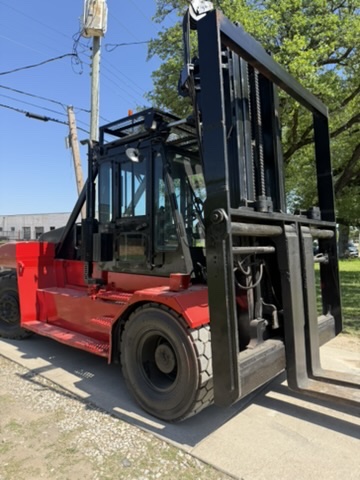
Summer in Dallas isn’t just hot – it’s a completely different atmosphere where metal expands and humans… perspire. Recognizing those subtle changes in conditions is the first step to avoiding drastic situations like failed hydraulic pumps and heat exhaustion. Don’t sweat it – here are some easy tips to ensure your summer is safely productive.
Avoid Summer Battery Overheating
Heat kills battery efficiency. No amount of precise charging will save you if your warehouse or outdoor yard is a furnace. High temperatures speed up chemical reactions within a lead-acid power cell, causing more water to evaporate than normal and eventual sulfation of the plates.
Stay productive with these battery maintenance tips:
- Maintain Electrolyte Levels | Check battery water levels twice a week instead of monthly. Dallas sees accelerated evaporation rates year-round.
- Charge in the Shade | Avoid “opportunity charging” between loads if it means charging in the direct sun. Remember that charging your battery also creates internal heat. Too much, and your battery could warp.
- Open Those Covers! | Battery maintenance also means allowing heat to vent. Keep battery cell covers open while charging.
- Stop that Charge! | Speaking of charging – if your battery case is too hot to touch (115 degrees or more), stop charging immediately. You don’t want to force charge a hot battery. You’ll drastically reduce its lifecycle, at best.
Humans Overheat, Too
Operator fatigue is a serious concern across busy warehouse facilities. As the mercury rises, cognitive function begins to slow – reaction time, spatial judgment, heavy item retention…all important aspects of warehouse safety. The difference between slamming on the brakes and missing a stop sign versus hitting that pallet can be mere tenths of a second.
Spotting heat exhaustion before it’s too late is easy if you know what to look for. Small mistakes may be the first indicator that your operator is too focused on cooling down to work efficiently. Running into dock doors, spilled pallets, or skipping warning signals are cues to bring your employee inside.
Pop Quiz: Facility Operator Fatigue
Does your facility currently…
- Provide cool-down breaks in an air-conditioned room twice per shift?
- Have drinking water available no more than 50 feet from the dock door?
- Require operators to take mandatory breaks with a “buddy” to ensure no one misses the signs of fatigue (heavy sweating, confusion, etc.)?
If you answered “no” to any of the above, it’s time to reassess your summer protocols and comply with OSHA before it becomes a problem. Grab some cold water pouches and cooling towels — they’re inexpensive compared to hospital bills.
Avoid Wear and Tear on Your Equipment
Operators aren’t the only things suffering in the heat. Hydraulic systems and tires take a beating from Texas summers. Heat causes hydraulic fluid to thin – making for slower lift speeds or poor responsiveness. Heat also causes air to expand, which means higher tire pressures than you may be used to checking.
Stopping mechanical failures before they happen takes a watchful eye. Here are a few things to look for during your summer inspections:
- Seals | Summer heat can cause rubber seals to crack and weep. Check hydraulic cylinders for any excess fluid around seals or weld points.
- Radiator Blockage | Outside storage or application? High temperatures will bake any foreign debris into your engine’s cooling fins. Dirt and dust are the number one cause of overheated/internal combustion engines.
- Tire Pressure | Take pressure readings first thing in the morning. Heat expands air, which can give you a false reading if the forklift has been running for a while.
Replacing Failed Components
Though proactive maintenance can go a long way, certain repairs are inevitable as summer drags on. Consider installing industrial fans to cool down common areas. Paddle-style fans, also known as HVLS, are an inexpensive way to increase air flow and decrease ambient temperatures by up to 10 degrees. Similarly, dock curtain systems made from PVC strip curtains can prevent loss of cooled or refrigerated air while providing flexible access for forklift traffic.
If possible, move strenuous labor to off-peak hours. Early mornings and evenings are far more desirable for your operators and fleet. Take that extra trailer load that needs to be emptied in an uncooled room and complete those picks at 7 AM instead of 230 PM. Your forklift will thank you.
4K Lifts is here to help you beat the heat
Let’s face it – summers in Texas and Florida are hard on equipment. That’s why 4K Lifts has been serving the Dallas areas since 1989. Our facilities specialize in keeping your inventory ready for the unique circumstances your business faces each year. Our massive lot of over 300 reconditioned forklifts includes electric and propane models perfect for indoor use or outdoor applications. Purchase a quality used forklift, or simply need a bi-annual inspection? Our bilingual staff is eager to help your business keep moving year-round. Speak with one of our sales representatives about our affordable financing options and 30-day exchange policy today.
FAQ
Q. How can I prevent my forklift battery from overheating in the summer?
To prevent your forklift battery from overheating, make sure you charge it in a well-ventilated location. Never charge your batteries in direct sunlight. Make sure you are checking electrolyte levels regularly, as water will evaporate much quicker during the summer months.
Q. How can I tell if one of my operators is experiencing fatigue?
Slowed reaction times and frustration are generally the first signs of operator fatigue. Some physical signs include: heavy sweating, dizziness, and headaches. If you begin to notice any of these signs, allow your operators to sit in a cool-down room for 10-15 minutes to prevent more serious consequences of heat exhaustion.
Q. Will the heat impact my forklift’s lifting capacity?
Heat will not decrease the lift capacity of your forklift. However, heat can thin out the hydraulic fluid, causing your controls to feel “spongy” or lifts to take longer. Thinner hydraulic fluid will make your forklift feel like it’s working harder than normal. This can cause you to overwork your hydraulic pump and cause it to overheat.