
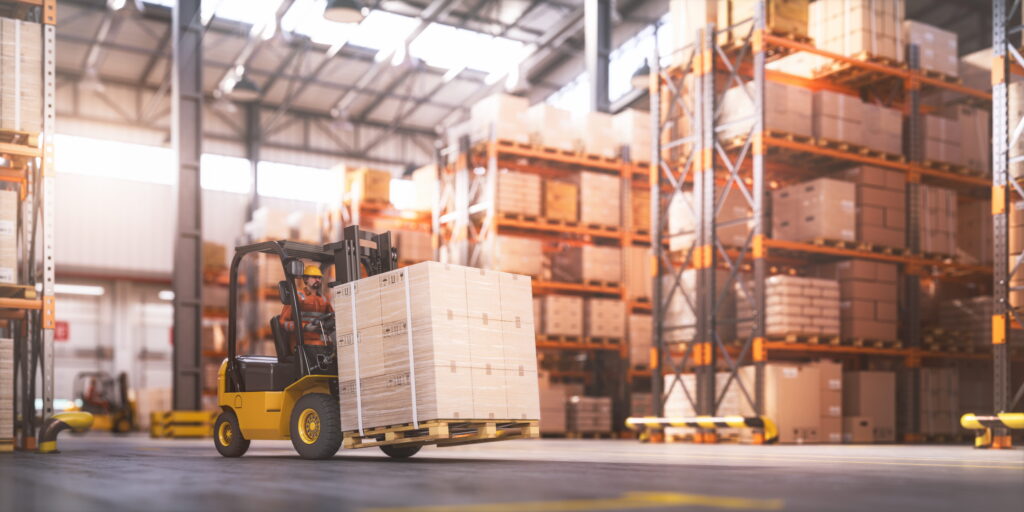
When we manage a fleet of industrial equipment, we often overlook the most critical component hidden beneath the hood. Today we’re talking about your battery.
At 4K Lifts, we’ve seen firsthand how a well-maintained battery can be the difference between a productive warehouse and operational standstill. Whether you’re buying a forklift for the first time or managing a seasonal fleet via forklift rentals, how we treat our power sources directly dictates our bottom line.
Today we would like to share our internal secrets with you. We’re going to talk about maximizing every charge and extending the life of your equipment.
Why Battery Longevity Matters
The lifespan of a lead-acid or lithium-ion unit is measured in cycles. Every time we plug in a battery, we use one of those finite cycles. When we treat units poorly, we’re essentially throwing away those cycles. It’s money that should be staying in your maintenance budget. Focusing on battery longevity reduces the frequency of expensive replacements and keeps the machines running at peak performance.
Proper care isn’t just about saving money, either: it’s also about safety. A neglected battery can leak acid, overheat, or even explode in extreme cases. A culture of safety is one where every operator understands their responsibility for handling these high-voltage components carefully.
Strategic Decisions
When we are in the process of acquiring a forklift, the battery technology we choose sets the stage for our entire maintenance schedule.
Lead-acid batteries are the traditional choice, offering lower upfront cost but requiring rigorous watering and cleaning. On the other hand, lithium-ion battery options are becoming more popular — they require zero watering and support opportunity charging.
Look at your shift patterns before you make your decision. If your team works three shifts around the clock, the fast-charge of newer tech might outweigh the initial savings of lead-acid. The battery is the heart of the machine, so you want to choose a heart that matches the pace of your business.
Maximizing the Life of Your Forklift Battery
Maintaining a forklift battery requires a disciplined schedule. We advise following a strict “Rule of 8” for lead-acid units: eight hours of use, eight hours of charging, and eight hours of cooling. Skipping that last one, the cooling phase, is a very common mistake and it leads to internal plate damage.
Also, you want to monitor the State of Charge (SoC). Try not to ever let a battery drop below 20% capacity. Deep discharging causes something called “sulfation,” where lead sulfate crystals harden on the battery plates, and this permanently reduces the capacity.
By keeping your units within the 20% to 80% range, you significantly extend the years of service you’re going to get out of each unit.
Essentials of Forklift Maintenance
Track the charging times and any instances of “short-cycling” — plugging in the battery for just a few minutes during a lunch break. Unless the battery is specifically designed for opportunity charging, this habit will kill battery longevity faster than almost any other factor.
We also like to emphasize terminal cleaning and cable inspections. Corroded terminals increase conductive resistance, which makes the battery run hotter and work harder. A simple wipe-down with a neutralizing solution can prevent a world of electrical headaches.
Step-by-Step: Watering Your Battery
Watering is the most misunderstood part of lead-acid maintenance. You only add water after the charging cycle is complete. When you water before charging, the electrolyte expands and overflows, causing “acid splash” which will ruin the battery casing — and the floor.
- Wear proper PPE (gloves, goggles, and apron).
- Open the vent caps and check the fluid levels.
- Use only distilled or deionized water. Tap water contains minerals that create chemical imbalances.
- Fill until the level reaches the plastic splash guard.
- Close the caps securely and wipe away any moisture.
Keep the Lifts Going Strong with 4K Lifts
Maintaining your forklift battery isn’t glamorous, but it is vital. By understanding the nuances of charging cycles and watering protocols, you’re setting yourself up for long-term success. Companies that prioritize their power sources can get up to 30% less downtime and significantly their lower equipment costs over time. Let’s commit to better battery habits today to power a more efficient tomorrow.
Are you ready to upgrade your fleet or need expert advice on maintaining your current equipment? Visit us at 4K Lifts to explore our latest inventory for buying a forklift or to discuss our flexible forklift rental options. Our team is standing by to help you optimize your warehouse power!
FAQ
Q. How often should we water our lead-acid battery?
We recommend checking water levels every five to ten charging cycles. Always remember to add distilled water only after the battery has finished its charging cycle to prevent acid overflow.
Q. Can we charge our battery whenever we have a break?
This depends on the battery type. If you have a standard lead-acid battery, “opportunity charging” during breaks can reduce battery longevity. If you have a lithium-ion battery, you can and should charge during breaks.
Q. What is the average lifespan of a forklift battery?
Most lead-acid batteries last for about 1,500 to 2,000 cycles, which typically equates to five years of use in a single-shift operation, provided we follow strict maintenance protocols.