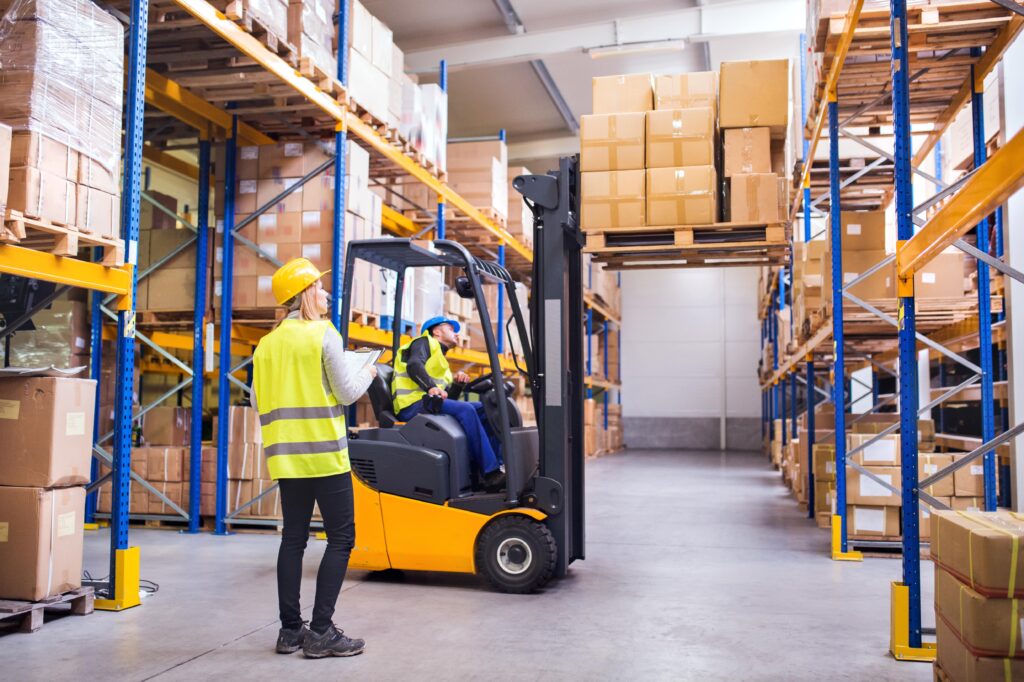
Imagine this: it’s peak season for your Dallas-based business. Orders are flooding in, the warehouse is buzzing, but there’s a bottleneck. Pallets are waiting, aisles are congested, and your team is struggling to keep pace. This isn’t just a minor inconvenience; it’s a direct hit to your bottom line, a strain on your team, and a risk to your customer satisfaction. We’ve seen this story play out time and again across the Dallas-Fort Worth metroplex. The pressure to move goods faster, smarter, and safer has never been higher. The unsung hero in this daily operational drama? The humble forklift. More specifically, the right kind of forklift, used in the right way.
In this guide, we’re pulling back the curtain on one of the most critical components of modern logistics: optimizing your warehouse operations through the strategic use of indoor forklifts. This isn’t just about moving boxes from Point A to Point B. It’s about creating a symphony of movement, a seamless flow of goods that boosts productivity, enhances safety, and drives growth. We will explore how making smart choices in your material handling equipment, particularly embracing the power of electric forklifts, can revolutionize your facility. As your local partners at 4K Lifts, we’re here to provide the insights and equipment that businesses across the DFW area need to thrive. Let’s explore the path to peak warehouse efficiency and see how forklift optimization can transform your operations from a point of stress into a competitive advantage.
The Core of Modern Warehouse Operations
At its heart, a warehouse is a dynamic, living ecosystem. The efficiency of this ecosystem depends entirely on how well goods move through it. This is the domain of material handling, a discipline that encompasses the movement, protection, storage, and control of materials and products throughout the manufacturing, warehousing, distribution, and disposal processes. When your material handling is inefficient, the symptoms are easy to spot: lost or damaged inventory, shipping delays, increased labor costs, and a higher risk of workplace accidents.
For any business in Dallas, a major logistics hub, subpar warehouse operations can mean falling behind competitors. The goal is to create a system where every movement is purposeful and every piece of equipment is utilized to its full potential. This is where the focus shifts from simply having forklifts to implementing a comprehensive forklift optimization strategy. It involves analyzing your specific needs, from the width of your aisles and the height of your racking to the types of loads you handle and the air quality you need to maintain. Ignoring these factors is like trying to build a house without a blueprint; you might get a structure standing, but it won’t be strong, safe, or efficient. The foundation of a world-class warehouse is a well-thought-out material handling strategy, and the cornerstone of that strategy is the indoor forklift.
Why Indoor Forklifts are the Key to Success
Not all forklifts are created equal. The rugged, diesel-powered behemoths you see on construction sites are vastly different from the agile, clean-running machines required for indoor environments. Indoor forklifts are specifically designed to navigate the unique challenges of a confined warehouse space. They are typically smaller, more maneuverable, and, most importantly, produce zero or very low emissions to maintain safe air quality for your employees.
Within this category, there are several options, but one type stands out for modern warehouse efficiency: the electric forklift.
The Rise of Electric Forklifts | Powering Modern Material Handling
For decades, propane-powered forklifts were a common sight in warehouses. While they get the job done, they come with notable drawbacks, including emissions that require proper ventilation, higher noise levels, and the logistical challenge of storing and swapping heavy propane tanks. Today, electric forklifts have emerged as the superior choice for the vast majority of indoor applications across the DFW area.
Let’s look at the story of a local distribution center we worked with. They were running a fleet of older propane lifts and accepted the daily tank-swapping ritual and the constant drone of engines as just “the cost of doing business.” Their main issues were rising fuel costs and employee complaints about fumes, especially during the hot Texas summers when keeping bay doors open wasn’t always feasible. After a thorough operational analysis, we helped them transition to a fleet of electric models.
The results were transformative. Fuel costs were immediately slashed, replaced by more predictable, off-peak electricity charges. The warehouse became noticeably quieter, leading to better communication and a less stressful work environment. Most importantly, the air quality improved dramatically, which had a direct positive impact on employee morale and wellness. This facility didn’t just swap out machines; they upgraded their entire operational environment. The power, performance, and torque of modern electric forklifts are on par with, and often exceed, their internal combustion counterparts, all while offering a lower total cost of ownership and a safer workplace.
Forklift Optimization | A Step-by-Step Guide
Having the right equipment is only half the battle. Forklift optimization is the art and science of integrating that equipment into your workflow to achieve maximum productivity and safety. It’s a holistic approach that examines everything from your facility’s layout to your operator training programs. Let’s break down the key pillars of a successful optimization strategy.
Step 1 | Conduct a Thorough Warehouse Audit
Before you can optimize, you must understand your current state.
- Map Your Workflow: Trace the path of your inventory from receiving to shipping. Where are the bottlenecks? Where do forklifts travel the most? Are there areas of frequent congestion?
- Analyze Your Racking and Aisles: Measure your aisle widths precisely. This will determine the type of forklift you can use. A narrow-aisle or very-narrow-aisle forklift can dramatically increase your storage density, but only if it’s the right fit. Consider your maximum racking height to select a forklift with an appropriate mast.
- Assess Your Load Types: What is the average weight and size of your pallets? What is the maximum weight you will ever need to lift? Choosing a forklift with the right capacity is crucial for both efficiency and forklift safety. An underpowered lift is dangerous, while an overpowered one is an unnecessary expense.
- Review Your Fleet: Look at your current forklifts. Note their age, maintenance records, and downtime. Are they well-suited for their primary tasks? Are you using the right attachments?
Step 2 | Maximizing Warehouse Efficiency Through Layout and Fleet Selection
With your audit complete, you can now make informed decisions.
- Design for Flow: Your warehouse layout should facilitate a smooth, logical flow of traffic. Aim for one-way traffic patterns where possible to minimize the chance of collisions. Keep high-traffic areas clear of obstructions. The goal is to reduce travel time for your forklifts, as every second saved multiplies across thousands of movements per day.
- Match the Machine to the Mission: Based on your audit, select the right indoor forklifts for your needs.
- 3-Wheel Electric Forklifts: Perfect for tight spaces and maneuvering in crowded areas. Their small turning radius makes them ideal for loading and unloading trailers in a busy Dallas shipping dock.
- 4-Wheel Electric Forklifts: Offer greater stability and are better suited for handling heavier loads and navigating uneven surfaces or ramps.
- Reach Trucks & Order Pickers: Specialized machines for high-racking applications in narrow aisles, essential for maximizing vertical storage space.
- Implement a Battery Management Plan: For electric forklifts, a smart battery charging and swapping strategy is key. Designate a specific, well-ventilated area for charging. Consider opportunity charging (charging during breaks) or fast-charging systems to keep your fleet running across multiple shifts without needing a massive battery inventory.
Step 3 | A Non-Negotiable Focus on Forklift Safety
An efficient warehouse is a safe warehouse. A single accident can halt your warehouse operations, lead to devastating injuries, and result in significant financial and legal consequences. Prioritizing forklift safety is not just a regulatory requirement; it’s a fundamental business imperative.
- Comprehensive Operator Training: All operators must be properly trained and certified according to OSHA standards. This training should not be a one-time event. We recommend regular refresher courses and performance evaluations. Training should cover not just the basics of operation but also your facility-specific rules and hazards.
- Daily Pre-Shift Inspections: Mandate every operator conduct a thorough inspection of their forklift before each shift. Provide a clear checklist that covers brakes, steering, mast, forks, tires, and fluid levels. This simple habit can catch mechanical issues before they lead to catastrophic failures.
- Clear Rules of the Road: Establish and enforce clear traffic rules within your warehouse. This includes speed limits, rules for approaching intersections and blind corners (honking the horn), and maintaining a safe distance from other vehicles and pedestrians. Use floor markings, signs, and mirrors to improve visibility.
- Pedestrian Safety: Train all employees who work on the warehouse floor, not just forklift operators, on how to work safely around the equipment. Designate clear pedestrian walkways and create physical barriers where possible.
The 4K Lifts Advantage | Your Expert Partner in DFW Material Handling
The journey toward peak warehouse efficiency begins with a strategic look at your material handling processes. By moving beyond the mindset of “just another piece of equipment” and embracing a holistic strategy of forklift optimization, you can unlock significant gains in productivity, safety, and profitability. The transition to clean, quiet, and powerful electric forklifts represents a major leap forward for modern warehouse operations.
These machines are no longer the future — they’re the standard for high-performing facilities today. For businesses across the Dallas and DFW area, the path to a more streamlined and successful operation runs directly through your forklift fleet. 4K Lifts is here to help you navigate that path, providing the right equipment and the right advice to help you meet the demands of a fast-paced market and build a safer, more efficient workplace.
Navigating the complexities of forklift optimization can be a daunting task. That’s where we come in. At 4K Lifts, we are more than just an equipment dealer; we are your dedicated partners in improving your warehouse operations. We serve the entire DFW metroplex, providing businesses in Dallas, Fort Worth, and the surrounding areas with the tools and expertise they need to succeed.
We don’t believe in one-size-fits-all solutions. Our process begins with a conversation and a visit to your facility. We listen to your challenges, we walk your floor, and we apply our deep industry knowledge to conduct the kind of thorough audit we detailed above. We help you select the perfect indoor forklifts for your application, whether it’s a nimble 3-wheel electric for your e-commerce fulfillment center or a robust 4-wheel model for your manufacturing plant. Our commitment extends beyond the sale, with comprehensive service, maintenance, and operator training programs designed to maximize your uptime and protect your investment. We are proud to be a local Dallas area company, deeply invested in the success of our community’s businesses.
Ready to transform your warehouse operations and unlock a new level of efficiency? Your journey to a safer, more productive facility starts with a simple conversation. Contact our team of experts at 4K Lifts today. Let us provide a no-obligation consultation for your Dallas area business and show you how the right indoor forklifts and a smart optimization strategy can make all the difference. Call us or fill out our online form to get started!
Frequently Asked Questions (FAQ)
Q. What are the main benefits of using electric forklifts for indoor warehouse operations?
The primary benefits of using electric forklifts indoors are zero operational emissions, which creates a cleaner and safer air environment for employees. They are also significantly quieter than internal combustion models, reducing noise pollution and improving communication on the warehouse floor. Furthermore, they typically have a lower total cost of ownership due to reduced fuel and maintenance costs.
Q. How can forklift optimization improve my Dallas business’s bottom line?
Forklift optimization directly impacts your bottom line by increasing warehouse efficiency. This leads to faster order fulfillment, reduced labor costs per unit moved, and better space utilization. A well-optimized fleet also enhances forklift safety, which minimizes costly downtime, potential worker compensation claims, and equipment damage. For a competitive market like Dallas, these efficiencies are a significant advantage.